Category: Resume Tips

  • How To Write A Professional CV And A CV Template

    How To Write A Professional CV And A CV Template

    One of the most vital documents in anyone’s possession is their resume or CV.

    It serves as both a record of past achievements and a marketing tool to showcase your potential. Strangely, many of us often neglect the task of updating it properly.

    Throughout the years, we’ve come across a vast number of CVs that clearly appeared to be unchanged legacy documents with new job entries tacked onto the top. Alternatively, they were freshly created files using template software

    – Abundant in graphics but lacking in substance.


    Irrespective of your background, level of seniority, or industry,
    there are certain fundamental principles to adhere to when crafting your CV:

    1. Keep your resume concise, ideally under four pages

    Without going overboard, if you are a senior finance professional with over 15 to 20 years of experience, you should aim for a 2-page CV that focuses on recent roles and provides concise summaries.

    Recruiters, HR professionals, and hiring managers are all pressed for time and often have to sift through dozens, if not hundreds, of CVs daily.

    A lengthy CV can be overwhelming and discouraging, leaving two negative initial impressions: either you couldn’t be bothered to edit your resume properly, or you lacked the awareness that such extensive documents are inappropriate.

    Read this LinkedIn article to find out more!

    2. Ensure your resume is visually clear and legible

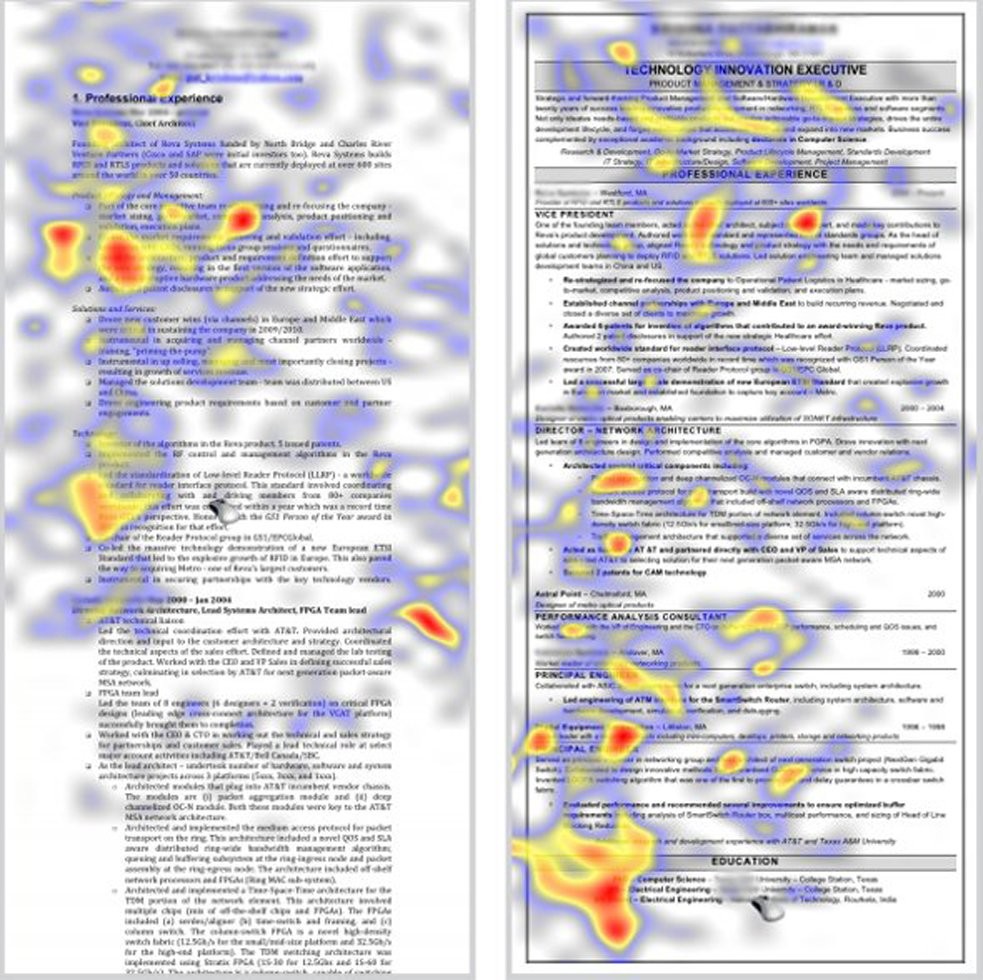
    It’s astonishing how many resumes assault the reader with an array of typefaces, font colors, font effects (e.g., bold, underline), graphics, and more.

    A well-written document with a clean presentation is far more effective than trying to grab attention with visual elements. This doesn’t mean you can’t have some variety, but it’s essential to maintain consistency and effectiveness. From my experience, it works well to use bold for highlighting companies and dates, and italics for job titles, or vice versa.

    Bullet points can be circles, stars, numbers, or dashes, but they should remain consistent throughout your document.

    For example, seek inspiration from this resume template from Enhancv.

    Alternatively, click here to learn more resume-writing tips!

    3. Include pertinent information on your resume

    List your employment history, including company names, dates, job titles, and key responsibilities. Highlight significant achievements and quantify your results with data (e.g., staff managed, sales generated).

    Consider including relevant internships, volunteer work, or academic experiences. Related Reads!

    4. Review and Roleplay

    After creating your resume, we suggest engaging in two straightforward roleplay exercises:

    First, cover up your name on the resume and imagine it belongs to your friend Lincoln, seeking your advice. How do you feel about the resume’s appearance? Does it convey essential information clearly? Would you recommend it?

    Next, cover your name again and envision you are in the position to hire for your team, with the resume being an applicant’s. Would you hire this individual based on the resume? Does it highlight the skills and experiences you’d expect from a potential interviewee?

    Creating a resume often induces stress, mainly due to the discomfort of self-promotion. It’s remarkable how clarity emerges when you pretend the document isn’t about you. Watch these videos to learn how to properly role-play interviews!


    hq720
    hq720 (1)

    We Can Help You!

    In conclusion, creating a strong CV is essential to your job search.

    By following these guidelines and utilizing the provided template, you can craft a professional and impactful document that showcases your skills and experiences.

    Enjoyed this read? Check out more articles here!

    Our FAQs

    While the terms are often used interchangeably, there are subtle differences. A CV (Curriculum Vitae) is a more detailed document that provides a comprehensive overview of your academic and professional history. It’s commonly used in academic and research fields. A resume, on the other hand, is a concise summary of your relevant skills and experiences, tailored to specific job applications.

    If you have gaps in your employment history, it’s important to address them honestly and positively. You can explain the reasons for the gaps, such as pursuing further education, caring for family members, or taking time off for personal reasons. Highlight any volunteer work, freelance projects, or online courses you completed during these periods.


  • Importance Of Accurate Job Description

    Importance Of Accurate Job Description


    Job descriptions have been around since the advent of jobs.

    They are essential for potential employees to understand what the open position expects from them and help employers hold employees accountable.

    With so much on the desks of talent acquisition professionals, job descriptions tend to take a backseat. However, its importance must not be overlooked because of its role in recruitment. So let us walk you through the importance of drafting an accurate job description.


    What Makes A Good Job Description?

    A well-written job description is crucial for attracting qualified candidates.

    It should clearly outline the role, responsibilities, and requirements, helping candidates decide if they’re a good fit. A clear and concise description, free of errors and jargon, sets a strong foundation for successful hiring.

    Related Reads: How To Persuade Star Candidates To Join Your Business In 2023?

    An accurate job description helps in:

    • Attracting the right candidates
    • Setting expectations
    • Saving time and resources
    • Supporting Fair Hiring Practices
    • Facilitating effective onboarding
    • Promoting employee engagement and retention

    Let’s delve deeper into the reasons why an accurate job description holds such significance and how it can shape the trajectory of your hiring endeavours.


    Importance of an Accurate Job Description

    When a recruiter is asked to look for new candidates, he must know the type of person to hire – This means the recruiter must clearly understand the candidates’ skills & knowledge, competencies, and previous experience.

    Inaccurate or outdated job descriptions can harm an organisation’s reputation and also lead recruiters to make bad hires. As a matter of fact, you must acknowledge the importance of the job descriptions that we have mentioned here.

    the hidden costs of bad hires why a recruitment agency is a cost effective solution

    Source: https://cgp-sg.recsumo.dev

    1. Attracts the Right Candidates

    Let’s understand it with an example:

    “John has a stomach disorder and needs to consult a doctor urgently. He visits a nearby clinic and finds a board outside the premises that mentions ‘Clinic.’ However, John enters the clinic only to discover it cures lung disease patients.”

    This is a clear example of how the absence of a clear description can attract the wrong person.

    Similarly, a vague job description can attract unsuitable candidates, making the hiring process more difficult. Hence, a clear job description outlines the role, responsibilities, and qualifications needed, attracting qualified candidates and improving the chances of finding the right fit.

    2. Facilitates Effective Onboarding

    A complete and accurate job description enables the management to determine the type of training a new employee requires. In addition, a thorough job description supports the employee onboarding and training processes.

    While it helps new common-onboarding-mistakes-companies-make hires understand their roles, responsibilities, and goals from the start, enabling them to align their efforts with the organization’s expectations and hit the ground running, at the same time, hiring managers can create personalised training plans to place candidates in actionable positions.​

    3. Assists Employee Engagement and Retention

    Drafting a good job description means facilitating employee retention and satisfaction. This helps candidates understand what will be expected of them if they are hired, preventing misunderstandings and setting a foundation for success. On the contrary, an inaccurate job description puts employees in a situation where they might feel deceived. Moreover, it will generate more chances of them quitting their jobs.

    A good job description lowers the chances of employees quitting positions. This is because the candidates are placed precisely in the job role dictated in the job posting during the initial stage.​

    4. Measures Performance Shortcomings

    After hiring an employee, job descriptions help in gauging performance. In addition, a job description acts as a standard against which you can measure an employee’s performance after the probation period ends or during the performance review process.

    Hiring managers and team managers have a documented tool to measure employee performance. By this, we mean managers can detect performance shortcomings or areas where employees perform beyond expectations.

    5. Mitigates Risk & Limits Legal Liability

    Well-crafted job descriptions potentially mitigate risks and limit liability.

    A clear and accurate job description helps ensure that the hiring process is fair and objective. It provides consistent criteria for evaluating candidates and minimizes the potential for bias or discrimination by focusing on the skills, qualifications, and requirements essential for the job.

    Employers must ensure the description is legally compliant and meets the requirements.


    Must-have Components of a Job Description

    • Job Overview: A concise summary of the position.
    • Key Responsibilities: Detailed tasks and duties associated with the role.
    • Job Purpose: The overall goal and contribution of the position to the organization.
    • Objectives: Specific, measurable targets the job holder is expected to achieve.
    • Scope of Work: The boundaries and limitations of the job’s responsibilities.
    • Work Arrangement: The preferred work environment (in-office, remote, or hybrid).
    • Required Competencies: The skills, knowledge, and abilities necessary for success.
    • Reporting Structure: The chain of command and reporting relationships.
    • Special Conditions: Any unique requirements or circumstances related to the job.

    Job descriptions are dynamic tools.

    Recruiters should regularly review and update them to ensure they accurately reflect the current needs of the role and attract the right talent.

    Related Reads: How to Hire for Job Fit Over Culture Fit?, Career Mobility: A Key To Attracting And Retaining Talent


    We Can Help You!

    An accurate job description is crucial for effective hiring.

    It clarifies expectations, attracts the right candidates, and improves employee satisfaction. By investing in well-crafted job descriptions, organizations can streamline hiring, boost productivity, and build a strong workforce.

    Enjoyed this read? Check out more articles here!

    Our FAQS

    If you have concerns about the accuracy of a job description, consider the following:

    • Research the company: Look for reviews and information about the company’s culture and work environment.
    • Ask specific questions: During the interview process, ask detailed questions about the role’s responsibilities, challenges, and expectations.
    • Network with current or former employees: Seek insights into the reality of the job.

    If a job description is vague, try to do additional research on the company and the specific role. You can also use online tools and resources to learn more about industry standards and typical job responsibilities. Additionally, preparing a list of thoughtful questions to ask during the interview can help you gain more clarity.


  • Top Tips To Write A Resume For A Data Science Job

    Top Tips To Write A Resume For A Data Science Job


    From retail, healthcare, FMCG to finance, more and more sectors are relying on data science techniques to improve its operational performances as well as augment personalized customer experiences that increase customer satisfaction. As data science continues to transform companies’ operations, opportunities for talented professionals also increase. Are you seeking employment in the data science field?

    Well, you have reached the right place… as what you will read here is our experts’ curation of well-researched information and personal experiences! But first, let’s discuss different data science roles and how to identify gaps in your skills. Then, we’ll share tips for writing a standout data science CV!

    Learn about the latest salary benchmarks and talent movement trends in Technology with CGP’s 2023 Southeast Asia Market Insights & Salary Trends report. Download your free copy today!


    Types of Roles in Data Science

    Here are some of the most common job titles in data science:

    1. Data Scientist

    A data scientist is responsible for developing and implementing algorithms to extract insights from large data sets. They work with both structured and unstructured data, and may use statistical analysis, machine learning, and other techniques to analyze data.

    2. Data Analyst

    A data analyst is responsible for collecting, cleaning, and analyzing data to identify trends and insights. They may also create reports and visualizations to communicate their findings to stakeholders.

    Watch this video to gain more insights into what it is like to be a data analyst!

    3. Machine Learning Engineer

    A machine learning engineer is responsible for building and maintaining machine learning models. They may work with data scientists to design and implement algorithms, and may also be responsible for deploying these models into production environments.

    4. Business Intelligence Analyst

    A business intelligence analyst is responsible for analyzing business data to identify opportunities for growth and improvement. They may use data visualization tools to create reports and dashboards that can be used to inform business decisions.

    5. Data Engineer

    A data engineer is responsible for designing, building, and maintaining the infrastructure that is used to store and process data. They may work with data scientists and other stakeholders to ensure that data is collected and stored in a way that is accessible and easy to analyze.

    Have a read at this article to find out more about the key differences between a data engineer and a data analyst!

    To succeed in data science, you need strong math, statistics, and computer skills, and a willingness to learn.

    So, what should you focus on in your resume?


    Writing A Job-Winning Data Science Resume

    Although writing an irresistible CV is often overlooked, it contributes the most to securing employment across all industries.

    Obtaining a job as a data scientist is no exception. So, as committed initially, it’s time to introduce the top CV writing tips for you to get data science jobs in Singapore.

    • Watch Out for the Resume Length

    Hiring managers receive hundreds of CVs on any given day. Therefore, they have a good reason to toss any resume longer than a page.

    Did you know? As per an article published on LinkedIn in 2017, recruiters only spend an average of six seconds scanning a CV to decide whether the candidate is worth interviewing. You will be amazed to know this statistic holds relevancy even in the current year.

    Tip: Make your CV easily scannable and set priorities while mentioning the critical aspects of your work experience.

    Related Reads: Top 9 Candidate Screening Questions Recruiters Ask

    • Customize to Suit Job Requirements

    Hiring managers are more inclined to consider tailor-made CVs that suit the job requirements and company culture.

    However, it doesn’t mean re-writing them for applying to different organisations. Instead, you can look for the keywords and requirements mentioned in the relevant job posts and introduce them in your resume.

    You should also add details about your experience that suit the employer’s requirements. Industry leaders say you can enhance your CV’s attractiveness by modifying certain aspects, such as:

    • Starting sentences with action verbs gives your resume a 140% boost.
    • Adding essential skills gives your resume a 59% boost.
    • Demonstrating results with numbers provides a 40% boost.
    • Adding industry buzzwords offers a 29% boost.
    • Using leadership-oriented words can result in a 51% boost.

    Hiring managers receive hundreds of CVs on any given day. Therefore, they have a good reason to toss any resume longer than a page.

    Tip: Go through the company’s website and check their style and tone to customise your CV accordingly. Additionally, you can adjust its aesthetics too.

    • Choose a Suitable Template

    Pick a resume template that aligns with the organization and industry to which you’re applying. Choosing a traditional template or a template with attractive formatting depends on the company you are applying to.

    Tip: Choose smart work over hard work by surfing the sites offering templates for free, such as: resume.io, myperfectresume and Enhancev.

    black
    0x0
    images
    • Make Your Contact Info Visible

    No hiring manager would like to review your CV only to wonder how to reach you. Therefore, it is imperative for you to place information such as your name, headline, and contact information at the top of your CV. No employer or even a recruitment agency in Singapore would prefer interviewing a job seeker ignorant of the correct placement of his contact info on their CV.

    Here’s what you need to include!

    • First & Last Name
    • Phone Number
    • Email Address
    • Location
    • *Optional Information:
    • Professional Title (e.g. ‘Data Scientist’)
    • LinkedIn URL

    Tip: Condense your address to just city and state, and ensure to provide working contact numbers and email addresses.

    • Include & Highlight Data Science Experience

    An ideal data science CV can never miss the candidate’s data science projects and publications. The information must be placed immediately below your contact information.

    The reason is to let the employer know how you contributed to your previous organisations as a data scientist or analyst. For example, include the names of your successfully completed data analysis projects, machine learning projects, or links to the published articles. Mentioning the projects will give the employer an insight into the regularity and nature of your work.

    Forbes listed creating a unique portfolio of analytics and machine learning projects as a crucial aspect of obtaining data science jobs.

    Related Reads: Trending IT Jobs in Singapore in 2023

    Tip: Have a good portfolio to be hired as a data scientist. Pay heed to this function more aggressively if you don’t have experience as a data scientist or don’t have quantitative data.

    • Highlight your Statistical Literacy & Programming Skills

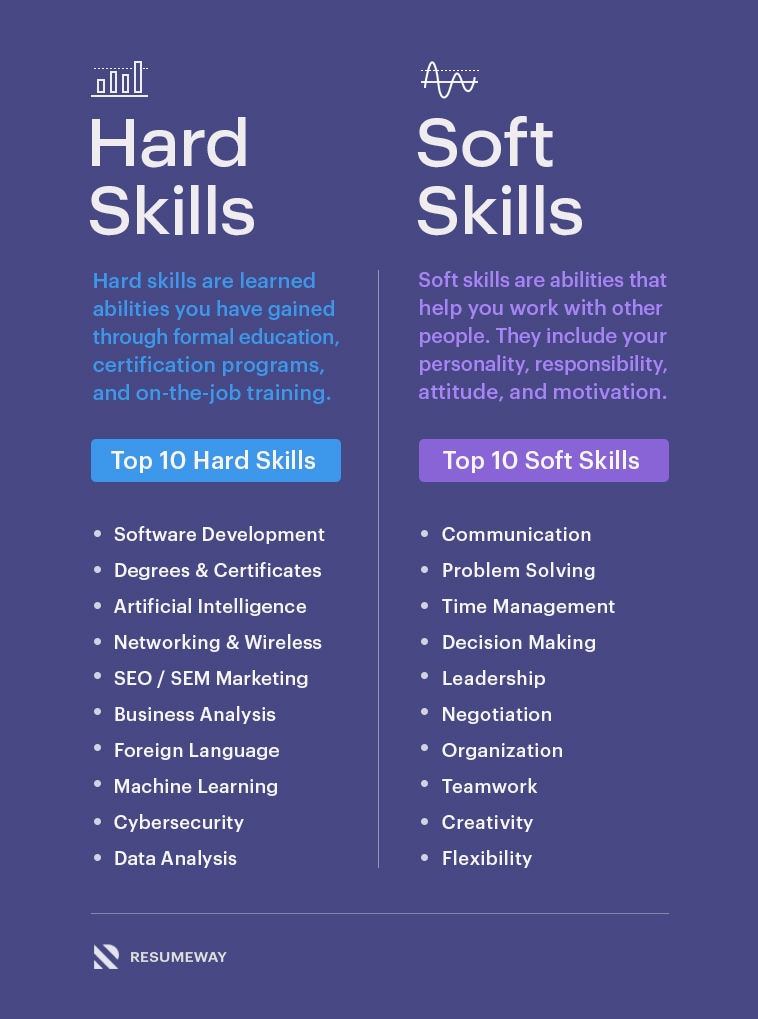
    To succeed and succeed efficiently, you must first possess the following programming skills:

    • Statistical analysis and computing
    • Machine Learning and Deep Learning
    • Processing large data sets
    • Data Visualization and Data Wrangling
    • Mathematics
    • Programming
    • Statistics
    • Big Data

    And, if you already have them, don’t forget to mention them in your CV. Fortunately, you will experience a rare instance of recruiters offering you data science jobs in Singapore at competitive packages.

    Tip: Structure your CV to include your knowledge of various programming languages like Python, Perl, C/C++, SQL, and Java.


    We Can Help You!

    A strong resume is essential for landing a data science job.

    To craft an impressive resume, highlight your technical skills in Python, R, SQL, and machine learning algorithms. Quantify your achievements with metrics and showcase your ability to solve real-world problems using data. Tailor your resume to specific job requirements and use a clear and concise format. Finally, proofread carefully to ensure a polished and professional document.

    Enjoyed this read? Check out more articles here!

    Our FAQs

    The 5 P’s of data science are…

    • Programmability: The choice of tools & programming languages plays a crucial role.
    • Purpose: Every project must have a well-formulated goal or purpose.
    • People: The involvement of people with different skills is highly essential.
    • Process: There are two types of processes within data science projects, which are organisational and technical.
    • Platforms: The platforms you use for data science projects and fundamental and strategic questions related to them determine a project’s success.

    Recruiters look for the following things in data scientists:

    • Passion
    • Mental capacity
    • Problem-solving skills with machine learning
    • Honesty
    • Pragmatic & value-seeking
    • Personality
    • Coding skills & experience
    • Debugging skills
    • Full stack potential
    • Data science experience
    • Communication skills

  • How To Write A Resume For Digital Marketing Jobs?

    How To Write A Resume For Digital Marketing Jobs?


    In this age of technology and a growing transition towards digitalization, “Digital Marketing” can be an exciting job with creative, analytical, and critical thinking skills. Individuals with a digital marketing career can get an average salary of 40-60K per year, while an individual with this skill set and 5+ years of experience stands a chance to earn up to 120-150K per year.

    Thus, to ace your dream digital marketing job, you need a strong resume to stand out from the talent pool and grab hiring managers’ attention. With this in mind, let’s examine the critical skills and qualifications that hiring managers and recruiters seek in digital marketing talent.

    This guide will provide you with insights on how to construct a resume that aligns with these expectations.​


    Think Like a Recruiter

    What would be your next step if you were faced with oodles of resumes?

    Downloading and storing every piece of information in your memory mentioned on every resume, irrespective of the document’s complexity, can be a daunting task.

    Let’s get back to reality; it won’t ever be feasible. The average recruiter takes approximately 6 seconds to decide whether a digital marketing resume is worth further consideration.

    So, what should be your role as a jobseeker? In the competitive world of digital marketing, a well-crafted resume is your key to landing your dream job. Continue reading on as we walk you through the steps of creating a resume that is both professional and memorable.


    Aspects You Shouldn’t Be Missing Out

    1. Research

    Research. Note down. Repeat.

    To increase your chances of landing a digital marketing job, conduct thorough research on the company and the specific role you’re interested in.

    By understanding their needs and goals, you can create a compelling resume that highlights your relevant skills and experience. Stay updated on the company’s news, industry trends, and workplace culture.

    2. Custom-Make

    Craft [solution]. Your [object] is your [role]; Make it [quality].

    Discard the ‘one-size-fits-all’ approach while crafting a killer resume. Instead, after you have successfully done your research, begin customizing your resume and tailoring its content & style.

    This will allow you to keep updating it whenever there is a new job opportunity. Craft to keep it engaging and purposeful because your resume represents you and lets the recruiters spot you.

    3. Optimize

    Examine. Note. Improve.

    Incorporate relevant keywords and showcase your digital marketing expertise. This can significantly improve your chances of securing a digital marketing executive job in Singapore.

    Research target roles and organizations thoroughly to identify key skills and responsibilities. Read our salary guide & talent trends in Southeast Asia to learn more!

    2022 southeast asia market insights salary trends report

    Tips to Craft a Killer Digital Marketing Resume

    Every job listing is different, and every company has different preferences, needs, and criteria for reviewing candidates.

    To secure digital marketing executive jobs in Singapore, adapt your resume to meet the standard format. Here are some great takeaways, as well as some tips that will make sure your resume is up to snuff.​

    1. Write a High-impact Career Summary

    Start with a career summary. This will give recruiters a quick overview of your experience, skills, and why you’re a good fit for the job.

    2. Avoid Getting Too Wordy

    Keep your resume concise (2-3 pages max). Even experienced candidates can benefit from brevity. A well-written resume is always short and to the point.

    3. Avoid Text Formatting

    Avoid using multiple colours or font sizes. Keep your resume simple and easy to read.

    4. Include Your LinkedIn profile

    Including your LinkedIn profile can increase your chances of getting an interview.

    5. Show Your Online Presence

    Include links to your online presence to showcase your work.

    6. Quantify Your Achievements

    Use numbers to quantify your achievements. For example, mention how much you increased sales. Include skills like performance marketing, content marketing, SEO, and analytics to demonstrate your technical expertise. Related Reads: 5 Tips to Ace Your Next Interview and Land the Job


    We Can Help You!

    A well-crafted resume is crucial for landing a digital marketing job.

    To stand out, highlight your digital marketing skills, such as SEO, PPC, social media marketing, and content marketing. Quantify your achievements to showcase your impact and tailor your resume to each job application, emphasizing relevant experience and skills. Lastly, use a clean and professional format, and proofread carefully to ensure error-free content.

    Enjoyed this read? Check out more articles here!

    Our FAQs

    To make your digital marketing resume stand out, you can include a captivating summary highlighting your critical skills and achievements. It will help if you tailor your CV according to the company and role you are applying for. Also, you can add keywords from the job description itself.

    It is believed that hiring managers look out for specific skills like Search Engine Optimization (SEO), social media, SEMrush, Hootsuite, Google Analytics, WordPress, communication & leadership skills when hiring for digital marketing positions.

    The average golden length for a resume is two to three pages, depending on your experience level. Entry-level job seekers may have difficulty crafting a resume of this length, but they can insert a resume objective.

    ​You can consider using a reverse-chronological or hybrid layout. The former focuses on work experience and is ideal for digital marketers with plenty of years of experience, while the latter is suitable for candidates having a mixed portfolio consisting of side projects, freelancing, part-time gigs, etc.

    An effective resume summary includes Professional Title, Key Experiences, Measurable Achievements, Skills/Expertise/Values relevant to the job and industry. Once you ace the summary writing skill, you can ensure better resume visibility.


  • What Qualifies As An Attractive Accounting/Finance CV?

    What Qualifies As An Attractive Accounting/Finance CV?

    ​With over 55,000 accountancy professionals in Singapore and more, each year with new graduates entering the workforce, the competition for Accountancy and Finance jobs can be quite intense, especially for senior-level hires where the number of vacancies is usually limited. As a result, it is important to ensure your CV stands out amongst your competitors.

    So, what qualifies as an attractive Accounting and Finance CV?


    1. Style equals Substance

    The design and format of your resume absolutely matter. A clean, well-structured CV catches the hiring manager’s attention quickly as it speaks volumes of the effort and time that you put into presenting yourself.

    A good CV should include:

    • Name and contact details
    • An executive summary of expertise and experiences
    • Education and professional qualifications (CA, CPA etc.)
    • Regulatory standards knowledge (IFRS, US GAAP etc.)
    • System proficiency (SAP, Hyperion etc.)

    Additionally, a good CV is usually styled with:

    • 10 – 12pt font size for normal text (14 – 16pt font size for section headers)
    • Professional fonts (Arial, Calibri etc.)
    • Minimal pictures, tables and colours
    2. Highlight your Skills

    Without going overboard, if you are a senior finance professional with over 15 to 20 years of experience, you should aim for a 2-page CV that focuses on recent roles and provides concise summaries.

    Your CV should also highlight key skills and experiences required for the job, hence it is good to utilize keywords from the job ad to increase your CV’s visibility.

    3. Quality > Quantity

    Lastly, don’t just list achievements; explain how you achieved them.

    Avoid vague statements like “successfully implemented.” Be specific about your actions, methods, and results. Focus on achievements that align with the employer’s goals.

    Click the picture on the right to find out more about the “3 Things To Have On Your Resume”!

    (bryan) cover image

    We Can Help You!

    There is no one-size-fits-all when it comes to crafting an Accounting and Finance CV.

    What differentiates a good CV from an impressive CV is how you present your capabilities, strengths, and accomplishments in a detailed and concise manner. Along with a good career summary and the right keywords, your resume will outshine your competitors.​

    Enjoyed this read? Check out more articles here!

    Our FAQs

    Use metrics and numbers to demonstrate your impact. For instance, instead of saying “Increased efficiency,” state “Increased operational efficiency by 20% through process automation.” This makes your accomplishments more tangible and impressive.

    Customize your CV for each application. Research the company and job description to identify key requirements. Highlight relevant experiences and skills that align with the specific role.

    Update your CV regularly. As your career progresses, you’ll likely acquire new skills, experiences, and accomplishments. Make sure your CV reflects your most recent achievements. Aim to review and update it at least once a year, or more frequently if you have significant changes in your career.