Tag: resume tips

  • Applying For Your Next Cyber Security Role: 3 Key Areas To Master

    Applying For Your Next Cyber Security Role: 3 Key Areas To Master

    Demand for cybersecurity professionals is intense across the globe – and the demand is expected to continue. Cybersecurity is increasingly becoming an essential part of every organisation’s strategy for growth and security.

    Ongoing technological advances will radically transform 1 million jobs in the coming decade. Currently, there is a huge cybersecurity skills shortage, and as the business grows, the demand for cybersecurity talent will only continue to grow.

    So if you’ve been contemplating a career move in the technology sector, you might want to look closely at cybersecurity jobs.

    Assuredly, you must have estimated the potential this market holds. Moreover, now is the time to make the best of the skills shortage.

    Understand how you can venture into or grow in your Cybersecurity career path by learning some key tips here.

    1. Master the Technical Skills
    2. Craft a Stellar CV
    3. Get engaged to find a suitable career option

    Let’s begin by understanding the first what cybersecurity is.

    What is Cybersecurity?

    Cybersecurity is securing networks, resources, and systems from cyberattacks. People and companies use this method to protect sensitive data and systems against malicious activities that aim to access, alter, delete, or destroy them.

    Nowadays, financial, health, intellectual, and government information are the most likely to be stolen. Corporate organisations, financial sectors, and government organisations look for ways to protect their data by investing heavily to improve and secure their digital infrastructures.

    There will be a rise in demand for engineers, security testers, and other technical professionals. At the same time, management roles requiring a set of “soft skills” are in demand too.​

    Prepare Yourself to Apply for Cybersecurity Jobs

    Cybersecurity is a sector with highly-ranked job titles on the most popular career options list. But that’s not all about it. Let us walk you through the top three things you must know as you prepare for your cybersecurity job.

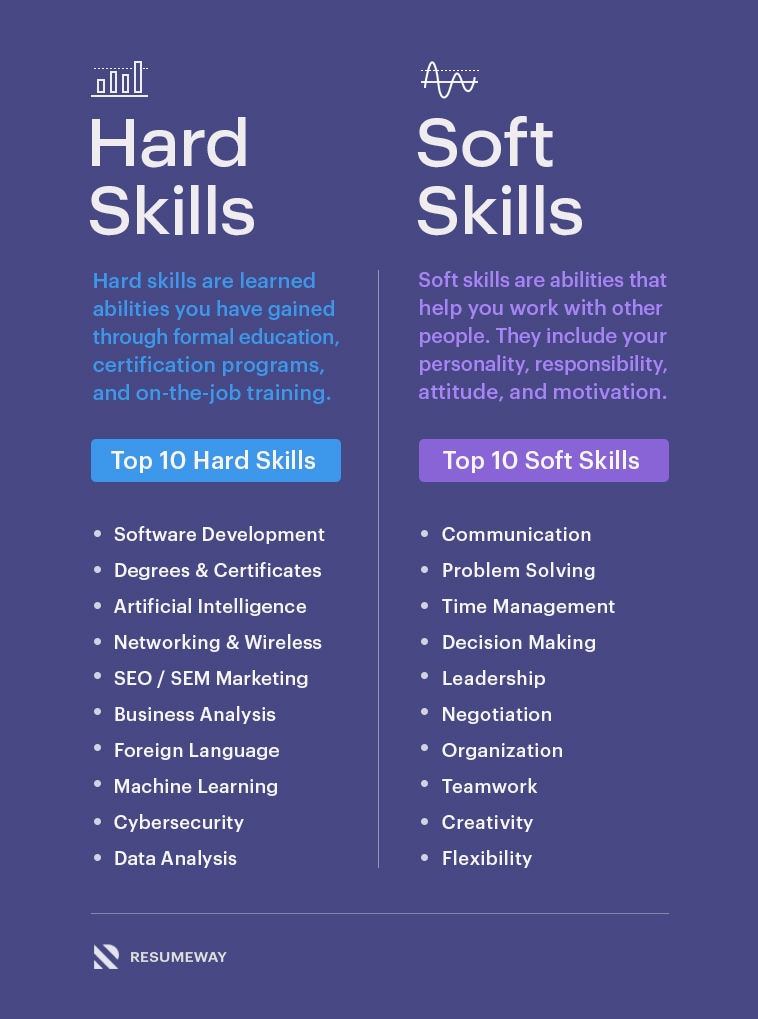
    A good cybersecurity professional must possess a rich and diverse set of skills to gain employment in the cybersecurity world. Some of the technical skills you can begin with include as follows.

    Networking & System Administration

    Networking refers to understanding data transmission’s technical aspects that help secure data. Therefore, you must possess in-depth networking knowledge to seek employment as a cybersecurity professional. On top of that, you can take up networking certifications to enhance your profile.

    Another skill you require to get cybersecurity jobs in Singapore is system administration, configuring, and maintaining computers.

    Analytics

    Introduction and the growing use of modern systems in business processes have increased the demand for cybersecurity specialists. As a result, candidates familiar with analytics enjoy a competitive edge over others as they are considered efficient in performing cybersecurity analytics and foreseeing cyber threats.

    Knowledge of Operating Systems & Virtual Machines

    Cybersecurity professionals must know operating systems such as Windows, Linux, and Mac OS is a must for cybersecurity professionals. Virtual Machines allow you to train and research in an isolated environment.

    Intrusion Detection

    The standard cybersecurity analyst job role involves monitoring network activity for intrusions. What’s more, knowing how to use intrusion detection software—security information and event management (SIEM) products, intrusion detection systems (IDS), and intrusion prevention systems (IPS)— is a must.

    Cloud Expertise

    Professionals with cloud expertise are in demand due to the inclination of businesses toward cloud environments. Candidates with cloud security skills can obtain a lucrative salary package compared to the rest.

    While the list doesn’t end here, other skills you must master are coding, blockchain security, the Internet of Things, security development, and more. Additionally, cybersecurity workplace skills such as communication, collaboration, risk management, adaptability, and critical thinking can enable you to choose among cybersecurity jobs.

    ​ For workers and job seekers facing the need or desire to train for a new type of work, cybersecurity offers a stable option with the opportunity for lifelong learning.– World Economic Forum

    RELATED READ:

    You’ve found the perfect job opportunity, and you send your CV. Then, after a long wait for the call-back, you don’t get a response. Probably, it could be that your CV wasn’t good enough. With this example, we aim to focus on crafting a stellar CV that can make you stand apart from the crowd.

    First and foremost, you must summarise what makes you different with a short personal statement at the top. Next, highlight your technical skills and mention the areas where you possess hands-on experience. Finally, ensure to include academic details, professional achievements & certifications.

    Don’t miss mentioning the soft skills you have developed over the years, as they are one of the most crucial elements in cybersecurity. Soft skills like collaboration, critical thinking, and problem-solving are critical to teams because they help people work strategically and collaboratively to reduce risk and prevent exploits.

    Tip: Use easy-to-understand language. Also, highlight instances of effective communication and leadership in previous roles.​

    Now that you have read until here, you’ve probably figured out that learning never ends if you envision a career in cybersecurity. Since learning has no end, professionals get introduced to a world of opportunities when applying for cybersecurity jobs.

    Before entering into cybersecurity, know what exactly you want. Top career options in cybersecurity are:

    • Chief Information Security Officer- CISO

    • Security Architect

    • Cybersecurity Engineer

    • Malware Analyst

    • Penetration Tester

    • Computer Forensics Analyst

    • Application Security Engineer

    • Cloud Security Specialist

    • Database Administrator

    • Incident Manager

    Know your destination and the path instead of jumping into it without knowledge. Start applying for suitable technology roles with CGP.

    View All Technology Jobs

    Conclusion

    Whether or not a cybersecurity job is for you depends on your preferences and aims. But the future is bright for those entering cybersecurity with skills, knowledge, and mindset. If you think you have what it takes to make a difference, the above three aspects can turn the tables for you.

    Need help identifying the right opportunities?

    Cornerstone Global Partners (CGP) Singapore can assist you in getting placed with the right employer. We are a recruitment agency in singapore that provides the best recruitment solutions to job seekers. The synthesis of our specialist recruiters and market intelligence makes us the market leader in providing services to job seekers and providers.

    Drop us a message, and our experts will get back to you.

    FAQs

    1. What are the key principles of security?

    The key principles of cybersecurity include framing a risk management regime, economy of mechanism, securing all configurations, fail-safe defaults, network security, managing user privileges, monitoring, etc. The role responsibilities also encompass home & mobile networking, incident management, prevention of malware as well as acceptance of security breaches.

    2. What are the top skills of cybersecurity experts?

    The top technical skills of cybersecurity experts are:

    • Scripting

    • Intrusion detection

    • Network security control

    • Operating systems

    • DevOps

    • Threat knowledge

    • Regulatory guidelines

    • Workplace skills such as communication, collaboration, risk management, adaptability, and critical thinking

    3. What are the top 3 personal attributes important to a cyber professional?

    While cybersecurity professionals must have technical skills, they must have a few attributes. Here are the top 3 personal traits:

    • Critical thinking skills

    • Strong communication skills

    • Problem-solving skills

  • Top Tips To Write A Resume For A Data Science Job

    Top Tips To Write A Resume For A Data Science Job


    From retail, healthcare, FMCG to finance, more and more sectors are relying on data science techniques to improve its operational performances as well as augment personalized customer experiences that increase customer satisfaction. As data science continues to transform companies’ operations, opportunities for talented professionals also increase. Are you seeking employment in the data science field?

    Well, you have reached the right place… as what you will read here is our experts’ curation of well-researched information and personal experiences! But first, let’s discuss different data science roles and how to identify gaps in your skills. Then, we’ll share tips for writing a standout data science CV!

    Learn about the latest salary benchmarks and talent movement trends in Technology with CGP’s 2023 Southeast Asia Market Insights & Salary Trends report. Download your free copy today!


    Types of Roles in Data Science

    Here are some of the most common job titles in data science:

    1. Data Scientist

    A data scientist is responsible for developing and implementing algorithms to extract insights from large data sets. They work with both structured and unstructured data, and may use statistical analysis, machine learning, and other techniques to analyze data.

    2. Data Analyst

    A data analyst is responsible for collecting, cleaning, and analyzing data to identify trends and insights. They may also create reports and visualizations to communicate their findings to stakeholders.

    Watch this video to gain more insights into what it is like to be a data analyst!

    3. Machine Learning Engineer

    A machine learning engineer is responsible for building and maintaining machine learning models. They may work with data scientists to design and implement algorithms, and may also be responsible for deploying these models into production environments.

    4. Business Intelligence Analyst

    A business intelligence analyst is responsible for analyzing business data to identify opportunities for growth and improvement. They may use data visualization tools to create reports and dashboards that can be used to inform business decisions.

    5. Data Engineer

    A data engineer is responsible for designing, building, and maintaining the infrastructure that is used to store and process data. They may work with data scientists and other stakeholders to ensure that data is collected and stored in a way that is accessible and easy to analyze.

    Have a read at this article to find out more about the key differences between a data engineer and a data analyst!

    To succeed in data science, you need strong math, statistics, and computer skills, and a willingness to learn.

    So, what should you focus on in your resume?


    Writing A Job-Winning Data Science Resume

    Although writing an irresistible CV is often overlooked, it contributes the most to securing employment across all industries.

    Obtaining a job as a data scientist is no exception. So, as committed initially, it’s time to introduce the top CV writing tips for you to get data science jobs in Singapore.

    • Watch Out for the Resume Length

    Hiring managers receive hundreds of CVs on any given day. Therefore, they have a good reason to toss any resume longer than a page.

    Did you know? As per an article published on LinkedIn in 2017, recruiters only spend an average of six seconds scanning a CV to decide whether the candidate is worth interviewing. You will be amazed to know this statistic holds relevancy even in the current year.

    Tip: Make your CV easily scannable and set priorities while mentioning the critical aspects of your work experience.

    Related Reads: Top 9 Candidate Screening Questions Recruiters Ask

    • Customize to Suit Job Requirements

    Hiring managers are more inclined to consider tailor-made CVs that suit the job requirements and company culture.

    However, it doesn’t mean re-writing them for applying to different organisations. Instead, you can look for the keywords and requirements mentioned in the relevant job posts and introduce them in your resume.

    You should also add details about your experience that suit the employer’s requirements. Industry leaders say you can enhance your CV’s attractiveness by modifying certain aspects, such as:

    • Starting sentences with action verbs gives your resume a 140% boost.
    • Adding essential skills gives your resume a 59% boost.
    • Demonstrating results with numbers provides a 40% boost.
    • Adding industry buzzwords offers a 29% boost.
    • Using leadership-oriented words can result in a 51% boost.

    Hiring managers receive hundreds of CVs on any given day. Therefore, they have a good reason to toss any resume longer than a page.

    Tip: Go through the company’s website and check their style and tone to customise your CV accordingly. Additionally, you can adjust its aesthetics too.

    • Choose a Suitable Template

    Pick a resume template that aligns with the organization and industry to which you’re applying. Choosing a traditional template or a template with attractive formatting depends on the company you are applying to.

    Tip: Choose smart work over hard work by surfing the sites offering templates for free, such as: resume.io, myperfectresume and Enhancev.

    black
    0x0
    images
    • Make Your Contact Info Visible

    No hiring manager would like to review your CV only to wonder how to reach you. Therefore, it is imperative for you to place information such as your name, headline, and contact information at the top of your CV. No employer or even a recruitment agency in Singapore would prefer interviewing a job seeker ignorant of the correct placement of his contact info on their CV.

    Here’s what you need to include!

    • First & Last Name
    • Phone Number
    • Email Address
    • Location
    • *Optional Information:
    • Professional Title (e.g. ‘Data Scientist’)
    • LinkedIn URL

    Tip: Condense your address to just city and state, and ensure to provide working contact numbers and email addresses.

    • Include & Highlight Data Science Experience

    An ideal data science CV can never miss the candidate’s data science projects and publications. The information must be placed immediately below your contact information.

    The reason is to let the employer know how you contributed to your previous organisations as a data scientist or analyst. For example, include the names of your successfully completed data analysis projects, machine learning projects, or links to the published articles. Mentioning the projects will give the employer an insight into the regularity and nature of your work.

    Forbes listed creating a unique portfolio of analytics and machine learning projects as a crucial aspect of obtaining data science jobs.

    Related Reads: Trending IT Jobs in Singapore in 2023

    Tip: Have a good portfolio to be hired as a data scientist. Pay heed to this function more aggressively if you don’t have experience as a data scientist or don’t have quantitative data.

    • Highlight your Statistical Literacy & Programming Skills

    To succeed and succeed efficiently, you must first possess the following programming skills:

    • Statistical analysis and computing
    • Machine Learning and Deep Learning
    • Processing large data sets
    • Data Visualization and Data Wrangling
    • Mathematics
    • Programming
    • Statistics
    • Big Data

    And, if you already have them, don’t forget to mention them in your CV. Fortunately, you will experience a rare instance of recruiters offering you data science jobs in Singapore at competitive packages.

    Tip: Structure your CV to include your knowledge of various programming languages like Python, Perl, C/C++, SQL, and Java.


    We Can Help You!

    A strong resume is essential for landing a data science job.

    To craft an impressive resume, highlight your technical skills in Python, R, SQL, and machine learning algorithms. Quantify your achievements with metrics and showcase your ability to solve real-world problems using data. Tailor your resume to specific job requirements and use a clear and concise format. Finally, proofread carefully to ensure a polished and professional document.

    Enjoyed this read? Check out more articles here!

    Our FAQs

    The 5 P’s of data science are…

    • Programmability: The choice of tools & programming languages plays a crucial role.
    • Purpose: Every project must have a well-formulated goal or purpose.
    • People: The involvement of people with different skills is highly essential.
    • Process: There are two types of processes within data science projects, which are organisational and technical.
    • Platforms: The platforms you use for data science projects and fundamental and strategic questions related to them determine a project’s success.

    Recruiters look for the following things in data scientists:

    • Passion
    • Mental capacity
    • Problem-solving skills with machine learning
    • Honesty
    • Pragmatic & value-seeking
    • Personality
    • Coding skills & experience
    • Debugging skills
    • Full stack potential
    • Data science experience
    • Communication skills

  • Top Tips For Landing A Job In The Finance Industry

    Top Tips For Landing A Job In The Finance Industry

    Even on the best days, job seekers find the finance industry competitive and challenging to break into & secure a job. In an industry that is fast-paced and overwhelming, being an entrant in the industry can be even more taxing. As a result, millennials must look for options to make themselves more marketable than others and carve a position in the finance industry.

    If you’ve been looking for a sign to land a job or move from a mid-level role to a senior level in the finance industry, then you are at the right place.

    We have compiled the top tips to help you fetch the best jobs in the finance industry. Let’s get started.

    #1. Apply Analytically

    Consider applying speculatively, and you will get access to various finance jobs. Of course, significant roles at large companies are often formally advertised, and you can apply through their websites. Per contra, you may miss out on a few opportunities if you rely just on the jobs advertised explicitly.

    If there aren’t any job openings at the given time, your positive approach will earn you a place in their prospective candidates’ pool.

    View All Jobs in Financial Services​

    #2. Educational Experience

    While educational background or work experience in finance is a must, you can always bolster your resume by enrolling in a postgraduate degree or a financial boot camp. This will give you an edge over others by familiarizing you with the lingo and preparing you to pursue further education and licenses.

    ALSO READ: The Dos and Don’ts for a successful banking career

    Always keep up with evolving finance industry trends and thus work on your skills to land your dream job. For example, the finance industry is undergoing large-scale digital transformation. There is a strong trend in the financial services industry toward upgrading legacy systems and implementing an agile way of working across business functions.​

    #3. Get an Internship

    Attain an overseas internship and get all set to give yourself the right career start. Draw attention to the skills and experience you’ll be returning with. In addition, employers will obtain an idea of various factors that will give you a headstart -your adaptability, knowledge, and confidence.

    Finally, if you manage to get an overseas internship, you’d make sure that your network expands and you come in contact with international employers.​

    #4. Exhibit Knowledge of the Technical Jargon

    A finance or business degree is a prerequisite for most jobs in the financial industry. But it is still possible to have a successful career in finance without a major degree. Although relevant courses in finance or economics will help, you can still demonstrate to potential employers that you possess the skills they desire in an employee and the passion necessary for a successful career in finance.

    Thus, you must know the terminologies. The interviewer would expect you to understand and use financial terms as you explain. And, if you think you won’t be able to put forward the knowledge of tech terms, then it’s time to crack the books again.​

    #5. Find a Mentor

    Look for mentors who can provide you with experiences beyond functional. Successful careers in the finance industry result from expert guidance that can help you grow through professional challenges.

    Moreover, a mentor can introduce you to opportunities that extend beyond finance. You can capitalise on the potential of a mentor and seek his expertise when encountering an unfamiliar experience.​

    #6. Craft a Quantifiable Resume

    Make yourself stand apart from the crowd by crafting a resume that will serve as a case study. Explain your role and add quantifiable results in bullet points. You must also ensure you have all the explanations to defend yourself if you are asked to justify them. What stands out most is how you present your job history using your resume.

    RELATED READ: What qualifies as an attractive Accounting/Finance CV?​

    #7. Attend Career Events

    Modern-day career events are no more restricted to being conducted physically. Most importantly, Singapore holds year-round events— physical, virtual & hybrid. As a result, you can approach people and make an effort to know them & their work. Following and attending recruitment or career events or websites will give you a platform to speak to people and access others’ knowledge.​

    #8. Take on a Leadership Position

    Finding the best jobs in the finance industry can get more accessible if you manage to secure a leadership position by joining a group or organisation. Generally, interviewers also look for leadership skills among the candidates, and if you have them, no one can stop you from ensuring a smoother career success.​

    #9. Display Exceptional Communication Skills

    This game isn’t for you if you assume you can enter the finance industry because you aren’t good at communication. Your plan for how to find a job in the finance industry must include working on communication skills— both verbal & written.

    As a professional working in this industry, you must be able to translate complex information into the simplest terms.

    Bottom Line

    Keep a level head as you climb the ranks and land your dream job in finance. Now is the time for you to make yourself more sought-after. Consider using these tips to find the best finance jobs by giving yourself a leg up in the recruitment process.

    Getting started in the industry with no prior experience can be intimidating. However, your skills and knowledge can help you overcome the obstacles and spruce up your career.

    Get in Touch with Finance Industry Experts

    If you want professional help finding employment, CGP Singapore is here to help! Our consultants will be more than happy to answer your queries and understand your job requirements to help you further.

    Find an Expert

    View All Jobs

    Submit a Vacancy

    FAQs

    1. How do you stand out in a finance interview?

    Whether you’ve years of experience or are just starting, interviews can be overwhelming. To crack an interview smoothly and smartly, you must be able to present what you can offer to the organisation. To stand out in a finance interview, you must:

    1. Do your research

    2. Review your resume

    3. Get to the point

    4. Talk confidently about the finance industry

    5. Engage with the interviewer

    6. Present factors that set you apart

    7. Have a few examples of work experience ready

     2. What personality is best for finance?

    A person intending to enter the finance industry must possess some soft skills and personality traits that recruiters seek.

    1. Positive attitude

    2. Emotional intelligence

    3. A growth mindset

    4. Adaptability

    5. Persistence

    6. Communication skills

    7. Empathy

    8. Sense of humor

    9. Interpersonal skills

    10. Vision

     3. What are the three skills for finance?

    Digital transformation and economic reforms are bringing unprecedented changes. Therefore, employers in the finance industry keep looking for employees who can adapt to the changes. A few dominant finance skills can help you earn recognition from recruiters. Among all, the top 3 skills for finance are:

    1. Accounting skills

    2. Data management skills

    3. Cash flow management

    Other skills include business intelligence, mathematics, analytical thinking, and financial management.

  • How To Write A Resume For Digital Marketing Jobs?

    How To Write A Resume For Digital Marketing Jobs?


    In this age of technology and a growing transition towards digitalization, “Digital Marketing” can be an exciting job with creative, analytical, and critical thinking skills. Individuals with a digital marketing career can get an average salary of 40-60K per year, while an individual with this skill set and 5+ years of experience stands a chance to earn up to 120-150K per year.

    Thus, to ace your dream digital marketing job, you need a strong resume to stand out from the talent pool and grab hiring managers’ attention. With this in mind, let’s examine the critical skills and qualifications that hiring managers and recruiters seek in digital marketing talent.

    This guide will provide you with insights on how to construct a resume that aligns with these expectations.​


    Think Like a Recruiter

    What would be your next step if you were faced with oodles of resumes?

    Downloading and storing every piece of information in your memory mentioned on every resume, irrespective of the document’s complexity, can be a daunting task.

    Let’s get back to reality; it won’t ever be feasible. The average recruiter takes approximately 6 seconds to decide whether a digital marketing resume is worth further consideration.

    So, what should be your role as a jobseeker? In the competitive world of digital marketing, a well-crafted resume is your key to landing your dream job. Continue reading on as we walk you through the steps of creating a resume that is both professional and memorable.


    Aspects You Shouldn’t Be Missing Out

    1. Research

    Research. Note down. Repeat.

    To increase your chances of landing a digital marketing job, conduct thorough research on the company and the specific role you’re interested in.

    By understanding their needs and goals, you can create a compelling resume that highlights your relevant skills and experience. Stay updated on the company’s news, industry trends, and workplace culture.

    2. Custom-Make

    Craft [solution]. Your [object] is your [role]; Make it [quality].

    Discard the ‘one-size-fits-all’ approach while crafting a killer resume. Instead, after you have successfully done your research, begin customizing your resume and tailoring its content & style.

    This will allow you to keep updating it whenever there is a new job opportunity. Craft to keep it engaging and purposeful because your resume represents you and lets the recruiters spot you.

    3. Optimize

    Examine. Note. Improve.

    Incorporate relevant keywords and showcase your digital marketing expertise. This can significantly improve your chances of securing a digital marketing executive job in Singapore.

    Research target roles and organizations thoroughly to identify key skills and responsibilities. Read our salary guide & talent trends in Southeast Asia to learn more!

    2022 southeast asia market insights salary trends report

    Tips to Craft a Killer Digital Marketing Resume

    Every job listing is different, and every company has different preferences, needs, and criteria for reviewing candidates.

    To secure digital marketing executive jobs in Singapore, adapt your resume to meet the standard format. Here are some great takeaways, as well as some tips that will make sure your resume is up to snuff.​

    1. Write a High-impact Career Summary

    Start with a career summary. This will give recruiters a quick overview of your experience, skills, and why you’re a good fit for the job.

    2. Avoid Getting Too Wordy

    Keep your resume concise (2-3 pages max). Even experienced candidates can benefit from brevity. A well-written resume is always short and to the point.

    3. Avoid Text Formatting

    Avoid using multiple colours or font sizes. Keep your resume simple and easy to read.

    4. Include Your LinkedIn profile

    Including your LinkedIn profile can increase your chances of getting an interview.

    5. Show Your Online Presence

    Include links to your online presence to showcase your work.

    6. Quantify Your Achievements

    Use numbers to quantify your achievements. For example, mention how much you increased sales. Include skills like performance marketing, content marketing, SEO, and analytics to demonstrate your technical expertise. Related Reads: 5 Tips to Ace Your Next Interview and Land the Job


    We Can Help You!

    A well-crafted resume is crucial for landing a digital marketing job.

    To stand out, highlight your digital marketing skills, such as SEO, PPC, social media marketing, and content marketing. Quantify your achievements to showcase your impact and tailor your resume to each job application, emphasizing relevant experience and skills. Lastly, use a clean and professional format, and proofread carefully to ensure error-free content.

    Enjoyed this read? Check out more articles here!

    Our FAQs

    To make your digital marketing resume stand out, you can include a captivating summary highlighting your critical skills and achievements. It will help if you tailor your CV according to the company and role you are applying for. Also, you can add keywords from the job description itself.

    It is believed that hiring managers look out for specific skills like Search Engine Optimization (SEO), social media, SEMrush, Hootsuite, Google Analytics, WordPress, communication & leadership skills when hiring for digital marketing positions.

    The average golden length for a resume is two to three pages, depending on your experience level. Entry-level job seekers may have difficulty crafting a resume of this length, but they can insert a resume objective.

    ​You can consider using a reverse-chronological or hybrid layout. The former focuses on work experience and is ideal for digital marketers with plenty of years of experience, while the latter is suitable for candidates having a mixed portfolio consisting of side projects, freelancing, part-time gigs, etc.

    An effective resume summary includes Professional Title, Key Experiences, Measurable Achievements, Skills/Expertise/Values relevant to the job and industry. Once you ace the summary writing skill, you can ensure better resume visibility.


  • What Qualifies As An Attractive Accounting/Finance CV?

    What Qualifies As An Attractive Accounting/Finance CV?

    ​With over 55,000 accountancy professionals in Singapore and more, each year with new graduates entering the workforce, the competition for Accountancy and Finance jobs can be quite intense, especially for senior-level hires where the number of vacancies is usually limited. As a result, it is important to ensure your CV stands out amongst your competitors.

    So, what qualifies as an attractive Accounting and Finance CV?


    1. Style equals Substance

    The design and format of your resume absolutely matter. A clean, well-structured CV catches the hiring manager’s attention quickly as it speaks volumes of the effort and time that you put into presenting yourself.

    A good CV should include:

    • Name and contact details
    • An executive summary of expertise and experiences
    • Education and professional qualifications (CA, CPA etc.)
    • Regulatory standards knowledge (IFRS, US GAAP etc.)
    • System proficiency (SAP, Hyperion etc.)

    Additionally, a good CV is usually styled with:

    • 10 – 12pt font size for normal text (14 – 16pt font size for section headers)
    • Professional fonts (Arial, Calibri etc.)
    • Minimal pictures, tables and colours
    2. Highlight your Skills

    Without going overboard, if you are a senior finance professional with over 15 to 20 years of experience, you should aim for a 2-page CV that focuses on recent roles and provides concise summaries.

    Your CV should also highlight key skills and experiences required for the job, hence it is good to utilize keywords from the job ad to increase your CV’s visibility.

    3. Quality > Quantity

    Lastly, don’t just list achievements; explain how you achieved them.

    Avoid vague statements like “successfully implemented.” Be specific about your actions, methods, and results. Focus on achievements that align with the employer’s goals.

    Click the picture on the right to find out more about the “3 Things To Have On Your Resume”!

    (bryan) cover image

    We Can Help You!

    There is no one-size-fits-all when it comes to crafting an Accounting and Finance CV.

    What differentiates a good CV from an impressive CV is how you present your capabilities, strengths, and accomplishments in a detailed and concise manner. Along with a good career summary and the right keywords, your resume will outshine your competitors.​

    Enjoyed this read? Check out more articles here!

    Our FAQs

    Use metrics and numbers to demonstrate your impact. For instance, instead of saying “Increased efficiency,” state “Increased operational efficiency by 20% through process automation.” This makes your accomplishments more tangible and impressive.

    Customize your CV for each application. Research the company and job description to identify key requirements. Highlight relevant experiences and skills that align with the specific role.

    Update your CV regularly. As your career progresses, you’ll likely acquire new skills, experiences, and accomplishments. Make sure your CV reflects your most recent achievements. Aim to review and update it at least once a year, or more frequently if you have significant changes in your career.